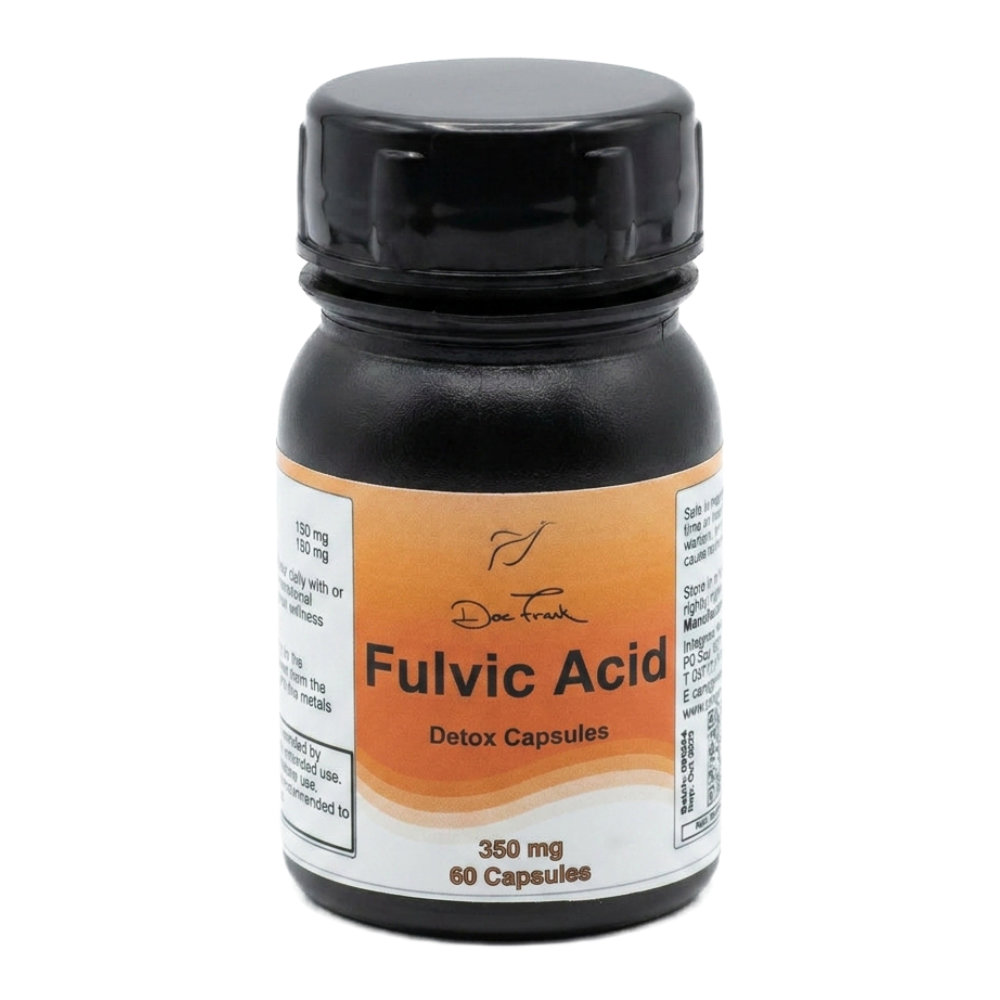
Doc Frank's Fulvic Acid is available in both liquid and capsule forms. The liquid form is typically recommended as 15 ml daily in a glass of water, often taken on an empty stomach. The capsule form is recommended at a dosage of 1 capsule daily for certain indications, such as vascular dementia, where it is suggested to be taken for 12 months.
Fulvic acid is a naturally occurring organic compound formed by the microbial decomposition of plant and animal matter in soils and humus. Research mentions various forms, including "Carbohydrate-derived fulvic acid" and "Oxifulvic acid," which is derived from controlled wet oxidation of carbon-containing coal, suggesting that the efficacy may vary depending on the source and purification process.
Fulvic acid acts as a chelator, a molecule that binds to metal ions and other nutrients. This property forms soluble complexes that may enhance the bioavailability and transport of minerals and trace elements across cell membranes, improving their utilization.
Individuals may experience initial detox symptoms, such as heavy joint pain described as gout-like symptoms, which may occur due to a heavy acid build-up in the body. To minimise these symptoms, it is suggested to reduce the frequency of Fulvic Acid intake to every second or third day and increase water intake to 2.5 liters per 24 hours. Symptoms are generally expected to subside after one to two weeks.
Fulvic acid's molecular structure, rich in oxygen-containing functional groups like carboxyl and hydroxyl groups, provides high affinity for metal ions. This chelating property allows it to bind to heavy metals (such as Cobalt, Arsenic, Barium, Mercury, or Nickel) and other toxins like urea, forming soluble complexes that may facilitate their elimination.
Yes, daily intake of 15 ml of Fulvic Acid in a glass of water has been suggested in protocols related to black mold exposure.
Studies indicate that Fulvic Acid may modulate inflammatory pathways. It has been shown to attenuate homocysteine-induced cyclooxygenase-2 (COX-2) expression and prostaglandin E2 (PGE2) secretion in human monocytes. It has also demonstrated a significant reduction in TNF-α expression in differentiated human monocytes following stimulation.
Research, particularly concerning fulvic acid found in Shilajit, suggests it may improve mitochondrial efficiency and ATP (cellular energy) output. It is believed to help maintain mitochondrial membrane potential, supporting cellular energy production and reducing fatigue.
Fulvic acid possesses free radical scavenging activity, which means it helps neutralise reactive oxygen species (free radicals). This activity contributes to protecting cellular components, including mitochondria, from oxidative damage and may improve systemic redox balance.
Research on fulvic acid, often in the context of Shilajit, has suggested neuroprotective effects. Studies have indicated that it may inhibit the aggregation of tau oligomers, which are factors implicated in the development of Alzheimer's disease.
Studies suggest that Fulvic Acid may contribute to gut microbiome balance. Research, often in animal models, indicates that it can support beneficial bacteria growth, enhance intestinal barrier function, and possesses antidiarrheal effects possibly due to interactions with the intestinal mucosa.
Yes, research suggests that carbohydrate-derived fulvic acid is a promising topical agent for enhancing the healing of wounds, including those infected with drug-resistant pathogens. Oxifulvic acid applied topically has also shown efficacy in suppressing cutaneous inflammatory responses, comparable to some standard anti-inflammatory agents.
For oral hygiene, particularly before and after medical procedures, 15 ml of Fulvic Acid should be diluted in 250 ml of water. This solution is used to wash the mouth out, then swallowed. Continued daily use of 15 ml for three additional days is suggested to help prevent bacterial growth.
Doc Frank's Covid Jab Injury Protocol includes 15 ml of liquid Fulvic Acid daily, ideally taken on an empty stomach, for a recommended duration of 6 months.
While Fulvic Acid is indicated as helpful for fibromyalgia, its acidic nature might initially exacerbate symptoms in individuals who find acidic foods or fermented products worsen their condition. In such cases, alternative suggestions included taking a teaspoon of baking soda in water daily, alongside Mega D3 (once every three days).
Fulvic acid has demonstrated significant antidiarrheal effects in both animal models and humans and has been utilised in clinical practice. The proposed mechanism involves low molecular weight components interacting with the intestinal mucosa.
A comprehensive toxicological assessment of fulvic acid found safety in in vitro and in vivo contexts. A 60-day study determined the no-observed-adverse-effect-level (NOAEL) of fulvic acid supplementation to be 5,000 mg/kg body weight/day, suggesting a high safety profile for oral administration.
Due to its potential influence on blood clotting mechanisms, some sources suggest that Fulvic Acid might increase how quickly blood clots, potentially reducing the effects of anticoagulant/antiplatelet medications. Consultation with a healthcare provider is essential if taking medications that affect blood clotting.
Fulvic Acid is known to potentially modulate and increase immune system activity. Therefore, individuals diagnosed with autoimmune diseases, such as Multiple Sclerosis, Systemic Lupus Erythematosus (SLE), or Rheumatoid Arthritis (RA), should consult a healthcare professional, as increased immune activity could theoretically worsen these conditions.
Based on recent searches of reliable scientific databases like PubMed, comprehensive safety and dosage information specifically detailing Fulvic Acid use in pregnant or breastfeeding individuals is not widely available. Consultation with a healthcare provider is necessary before use by these groups.


Salomon v. –
Goodbye microbiome-destroying antibiotics, hello almost instantly effective panacea for treating all and any ‘nasties’. In fact in my case, everything ranging from bladder infections to basal cell cancer lesions. An excellent product that can be either ingested or topically applied.
Mariam D. –
Would definitely recommend this product. I have severe cat allergy. 2 months on the capsules and my gut is tolerating it well, allergies are still there but notice an improvement in my immune system
INGE V. –
Our go to product for any flu/colds etc, together with fenbendazole – should be a staple in every home
Naomi R. –
Excellent. Definitely makes a difference.
Ruth C. –
Great product! In my home, if anyone is feeling a sore throat or sniffles coming on, we immediately dose with fulvic acid. The capsules are more potent and do not have a taste (like the liquid). I make sure i always have this product handy.