Some benefits like improved sleep quality were noted by users within days, and significant cognitive benefits in studies have been observed within weeks. A randomized controlled trial on magnesium L-threonate showed improvements in sleep quality, mood, and daytime cognitive performance (including being mentally alert) at day 7, 14, and 21. Other studies indicate improvements in cognitive function and memory after 30 days to 12 weeks.
Long-term use of magnesium L-threonate appears safe. Brain-Mag is an essential daily companion for long-term brain health. Clinical studies and safety reviews, including one by the European Food Safety Authority (EFSA), have assessed magnesium L-threonate as bioavailable and safe for proposed use levels. The body's ability to eliminate excess magnesium through the kidneys generally makes it safe.
Hypermagnesemia (taking too much magnesium) is rare with supplements in individuals with normal kidney function, as the kidneys can filter out excess magnesium. However, overdose is possible, especially with severe kidney impairment. Symptoms can include mild gastrointestinal discomfort (diarrhea, nausea, abdominal cramps), headache, dizziness, drowsiness, thirst, low blood pressure (hypotension), confusion, muscle weakness, loss of tendon reflexes, urinary retention, depression, irregular heartbeat, respiratory depression, coma, and in severe cases, cardiac arrest and death.
In case of accidental overdose with serious symptoms (passing out, trouble breathing, changes in mental status, irregular heartbeat), immediately seek emergency medical attention. For less severe symptoms, contact a poison control centre or your healthcare provider.
Avoid late-evening dosing if sensitive to magnesium’s relaxing effects. If you experience unwanted drowsiness or fatigue during the day, consider taking your full dose in the evening or adjusting the timing of your dose to before bedtime. Some studies suggest magnesium L-threonate can improve sleep quality, which might lead to feeling more rested but could also initially cause relaxation.
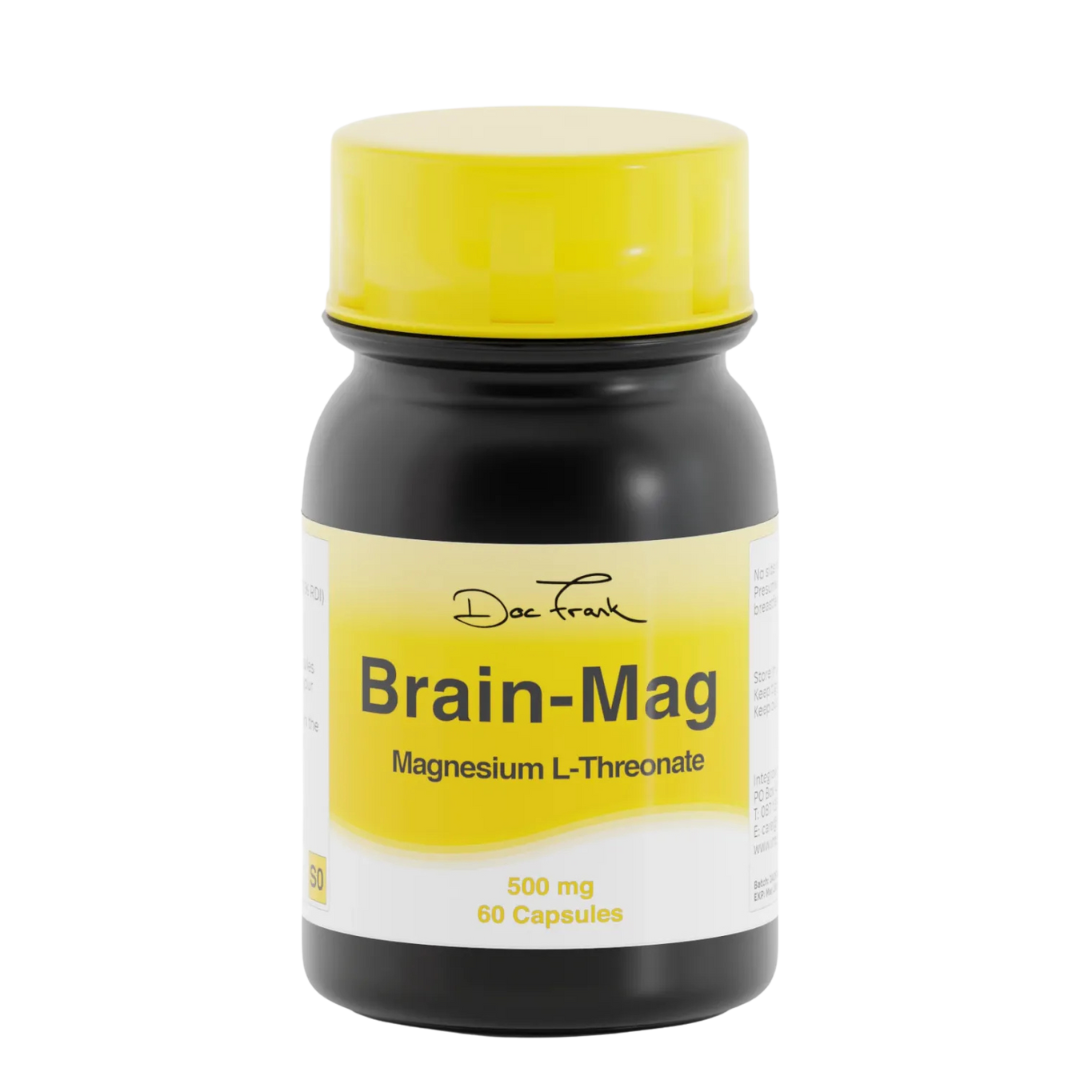
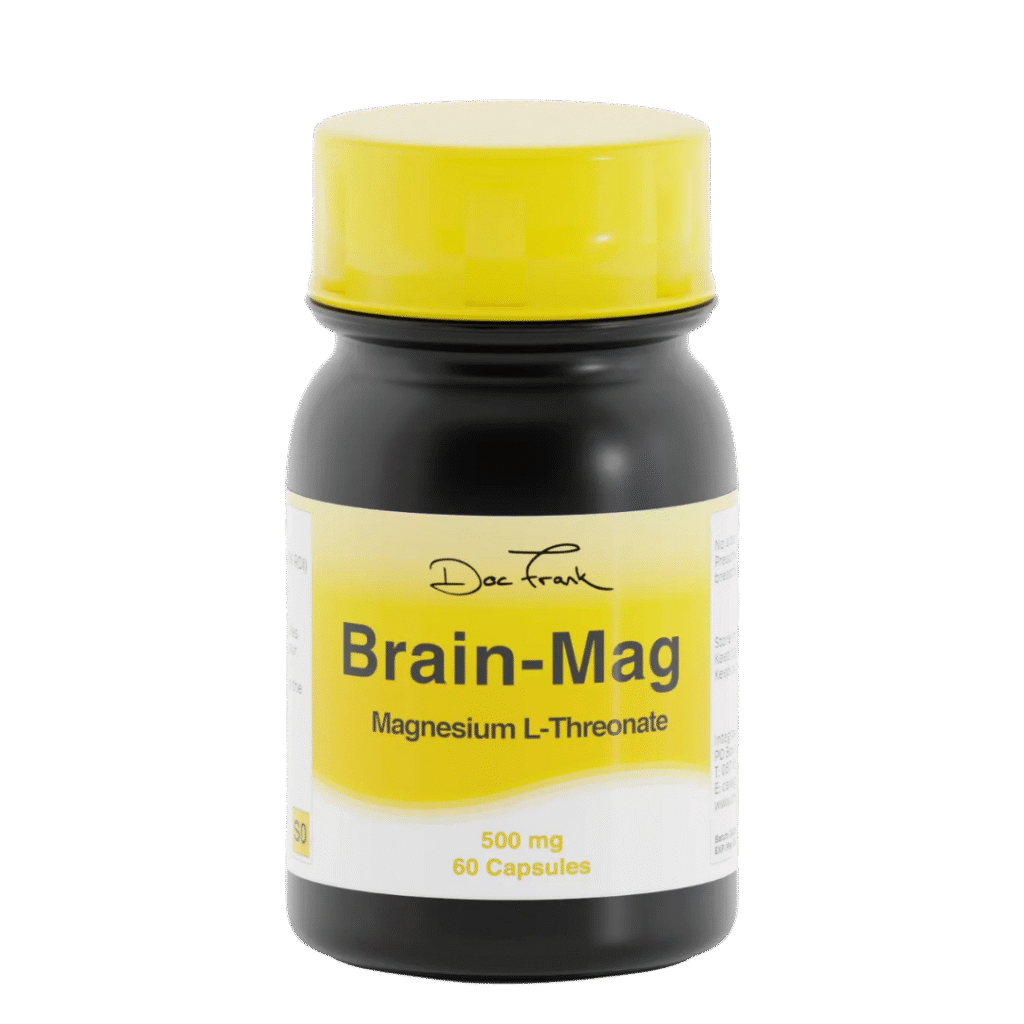
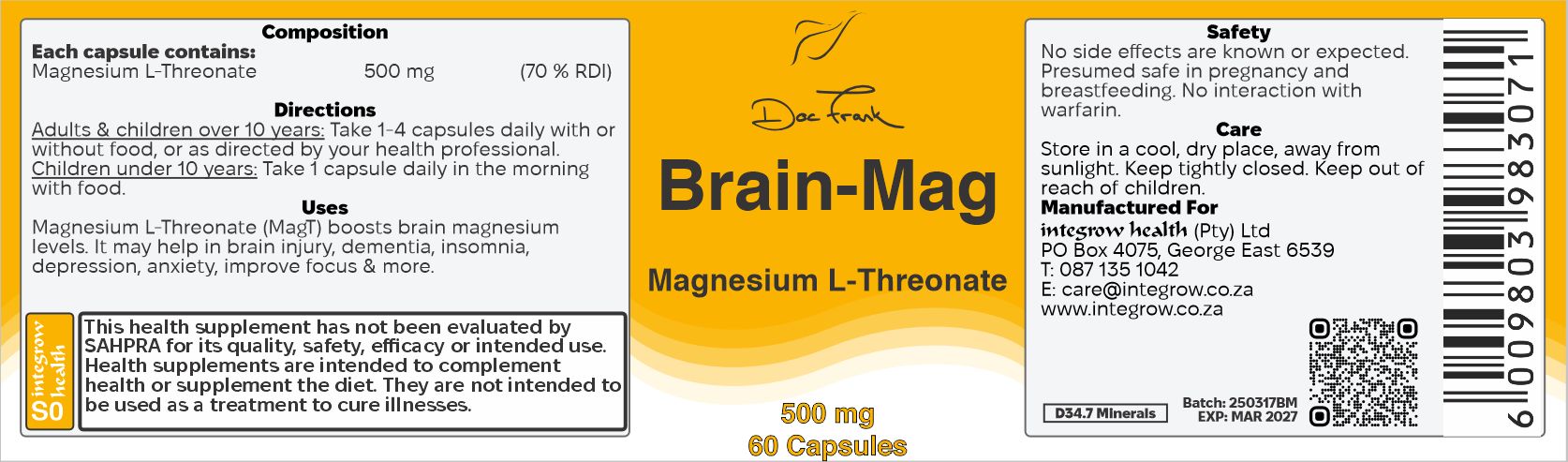
Each Brain-Mag capsule delivers 500 mg of pure magnesium L-threonate. Information from reputable sources indicates that magnesium L-threonate (specifically Magtein, which Brain-Mag uses) contains about 75 mg of elemental magnesium per gram of magnesium L-threonate. Therefore, one 500 mg capsule of Brain-Mag provides approximately 37.5 mg of elemental magnesium (0.5 grams \* 75 mg/gram).
If taking prescription medication, take Brain-Mag at least two hours apart to avoid absorption interference (especially with certain antibiotics or bisphosphonates). Given the low elemental magnesium content per capsule and the potential for exceeding the tolerable upper intake level (UL) for magnesium from various sources, it is highly recommended to consult a healthcare provider before combining Brain-Mag with other magnesium supplements or multivitamins to avoid excessive intake and potential interactions. The general Recommended Dietary Allowance (RDA) for elemental magnesium in adults is 310-420 mg per day.
There are no sources suggesting a physiological or practical reason to cycle on and off Brain-Mag or take periodic breaks. We suggest using it consistently as part of your daily wellness routine for optimal results.
The reviewed sources do not mention specific withdrawal symptoms from suddenly stopping magnesium L-threonate supplementation. Magnesium is a vital mineral, and its levels can fluctuate, but specific withdrawal symptoms upon discontinuation of magnesium L-threonate have not been highlighted.
If taking prescription medication, take Brain-Mag at least two hours apart to avoid absorption interference (especially with certain antibiotics or bisphosphonates). General magnesium supplementation can interact with various medications. Therefore, it is crucial to consult a healthcare provider before taking Brain-Mag if you are on antidepressants, anti-anxiety medications (SSRIs, SNRIs, benzodiazepines), or any other prescription medication. Your doctor can assess potential interactions and advise on appropriate timing or adjustments.
Some studies on magnesium supplementation exclude individuals with heart disease or high blood pressure. Magnesium can influence blood pressure. Given the general caution about prescription medication, and the potential impact of magnesium on cardiovascular function, it is essential to consult a healthcare provider before taking Brain-Mag if you are on blood pressure or cardiac medications.
Some studies on magnesium supplementation exclude individuals with diabetes. While general magnesium can interact with diabetes medications, our specific precautions for Brain-Mag advise taking it at least two hours apart from other prescription medications. Consult your healthcare provider if you are taking insulin, Metformin, or other diabetes medications to understand potential interactions and ensure safe use.
One clinical study on magnesium L-threonate excluded individuals on current hormone therapy. As such, there is an indication that interactions might be a concern. It is important to consult a healthcare provider before taking Brain-Mag if you are using hormonal birth control pills or hormone replacement therapy.
Due to magnesium's role in muscle function, blood clotting, and potential interactions with anesthesia, it is a common recommendation to discontinue many supplements before surgery. You must consult your surgeon or anesthesiologist regarding Brain-Mag and any other supplements before a scheduled surgery. They can provide specific guidance on when and for how long to discontinue it.
There is no direct information provided on the interaction between Brain-Mag and common stimulants like caffeine. Given that Brain-Mag supports calm and sleep, and caffeine is a stimulant, it is plausible they could have opposing effects. However, whether it directly reduces caffeine's effectiveness or vice-versa is not specified.
One study on magnesium L-threonate and sleep excluded individuals with "excessive alcohol use." Alcohol consumption can affect magnesium levels in the body and interact with medications, often increasing sedative effects. While direct interactions between Brain-Mag and alcohol are not detailed, it is generally advisable to limit alcohol consumption when taking supplements or medications, and consult a healthcare provider if you have concerns about combining them.
Brain-Mag is available in capsule format with hypromellose (capsule shell) as an inactive ingredient. Generally, opening capsules and mixing powder with food or liquid can sometimes affect the absorption rate or efficacy of certain medications and supplements, especially if they are designed for delayed release or to protect ingredients from stomach acid. Some sources state that powders can be absorbed more quickly. Speak to us directly regarding opening the capsules to ensure it does not compromise the product's effectiveness or absorption.
Brain-Mag (magnesium L-threonate) is the only form of magnesium shown in multiple studies to cross the blood–brain barrier and significantly raise brain magnesium concentrations. This is its key distinguishing factor for targeted brain health. Other forms like magnesium glycinate and malate are highly bioavailable for general body magnesium levels, and glycinate is often cited for its calming effects. However, magnesium L-threonate is specifically formulated and studied for its ability to elevate magnesium levels within the brain for cognitive benefits, which other forms generally do not achieve as effectively.
Brain-Mag helps protect against age-related cognitive decline. Clinical research cited on PubMed suggests potential benefits of magnesium L-threonate for ADHD (small pilot study showing symptom improvement), Alzheimer's disease (restoration of hippocampal neurogenesis in animal models, reduction of neuro-inflammation), and Parkinson's disease (animal studies showing increased magnesium in cerebrospinal fluid and reduced symptoms). Given that these are serious neurological conditions, and some studies exclude individuals with such diagnoses, it is absolutely essential to consult a doctor before individuals with ADHD, Alzheimer's, Parkinson's, or any other pre-existing neurological condition start taking Brain-Mag.
Magnesium deficiency is correlated with headaches and migraines. While magnesium L-threonate has not been specifically researched for migraine prevention as extensively as other magnesium forms, some sources suggest that its ability to enhance brain magnesium levels logically makes it a promising option for reducing the intensity and frequency of attacks. General magnesium supplementation has shown to decrease migraine frequency.
L-threonate is an endogenous compound found in cerebrospinal fluid and is derived from the metabolic breakdown of vitamin C. Its primary role in magnesium L-threonate is to facilitate the transport of magnesium across the blood-brain barrier. While magnesium L-threonate delivers elemental magnesium into the brain, the L-threonate component itself is crucial for this specific brain delivery. Some studies indicate that L-threonate plays an essential role in this delivery. There is no clear indication in the provided information that L-threonate has significant independent therapeutic effects beyond its role as a magnesium carrier for brain delivery.