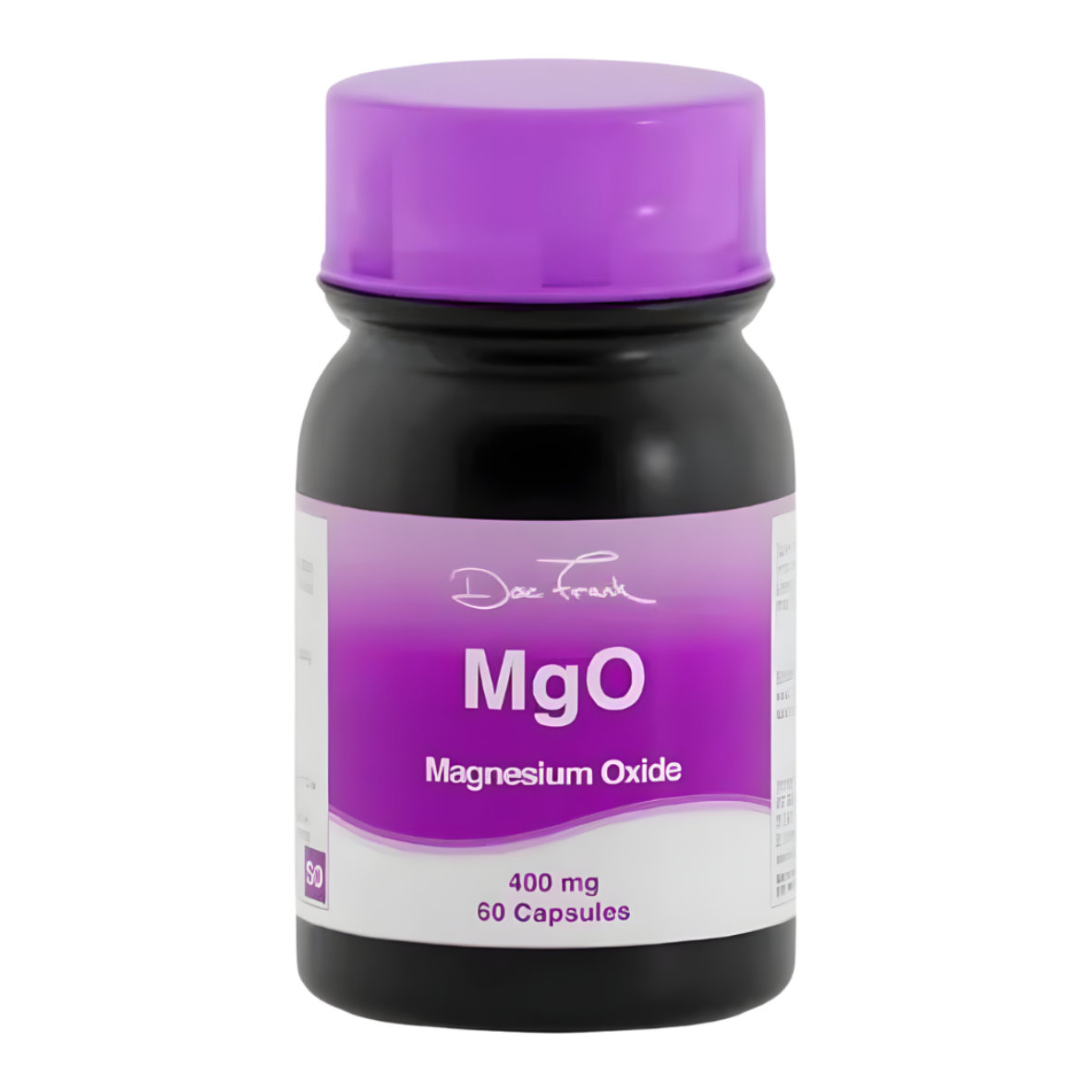
Doc Frank's MgO capsules typically contain 240 mg of elemental magnesium per capsule. This elemental quantity is the actual amount of magnesium available for the body to absorb and utilize, derived from a 400 mg or 500 mg magnesium oxide compound.
Magnesium oxide contains a high percentage of elemental magnesium per dose (e.g., 240 mg elemental Mg from a 400 mg compound). In comparison, a 1000 mg magnesium glycinate supplement might contain a lower amount, around 140 mg of elemental magnesium, meaning MgO offers a higher concentration of the mineral per gram of the compound.
Magnesium oxide generally has lower intrinsic bioavailability compared to organic forms like magnesium glycinate or citrate. However, Doc Frank's branded capsules from Integrow are claimed to be "well absorbed (almost as good as magnesium glycinate)" because they are designed to be ready for absorption quickly. Some formulations may also include absorption enhancers like D-Ribose to boost gut absorption.
D-Ribose is included in some Doc Frank's MgO formulations to significantly enhance the absorption of magnesium from the gut. This combination is intended to deliver a noticeable improvement in energy levels quickly, often within hours of the first dose.
Yes. Doc Frank's recommendations often include MgO powder (e.g., two teaspoons in water for specific detox protocols) or branded 240 mg MgO capsules (often associated with Integrow Health SA) for general daily supplementation.
The general recommendation for daily maintenance and supplementation is one capsule (240 mg elemental magnesium) daily.
For increased energy needs, the dosage can be safely increased to 4 or 5 daily doses (providing a total of 480 mg elemental magnesium). For protocols like retaining pregnancy once implanted, a dosage of two capsules (480 mg elemental magnesium) taken in the morning is suggested.
If using the powder form for detoxification or general use, Doc Frank recommends mixing two teaspoons in a glass of water and drinking it immediately on an empty stomach (do not let it sit long), often taken in the morning.
For general supplementation and detoxification, it is often recommended to take MgO first thing in the morning on an empty stomach. If the goal is improved sleep quality, the supplement can be taken at night, although high doses may be needed for brain benefits.
Magnesium can decrease the absorption of certain antibiotics (tetracyclines and quinolones) and bisphosphonates. It is generally advised to take magnesium supplements at least two hours apart from these medications.
Magnesium is a crucial cofactor required for the activation of Vitamin D. It is necessary for the enzymes in the liver and kidneys that convert Vitamin D into its active hormonal form. Insufficient magnesium can impair Vitamin D metabolism, potentially leading to inactive storage and reducing the efficacy of supplementation.
Magnesium is essential for the synthesis and function of ATP (adenosine triphosphate), the primary energy molecule of the cell. It acts as a cofactor in over 300 enzymatic reactions, including those in glycolysis and the Krebs cycle, making it critical for efficient energy metabolism.
Magnesium is vital for proper muscle contraction and relaxation. It helps regulate the flow of calcium, which triggers contraction. Deficiency can lead to increased muscle excitability, spasms, and cramps. Magnesium is also associated with calming nerves and promoting mood stability.
Yes. Magnesium is associated with supporting cardiovascular health, including helping to regulate blood pressure by promoting the relaxation of blood vessels and modulating cellular ion balance.
Doc Frank suggests that Magnesium Oxide helps to bind toxins and viruses, supporting detoxification protocols. The laxative effect often experienced with MgO is sometimes viewed as an indicator of this detoxifying action and enhanced elimination.
Magnesium generally benefits sleep. However, magnesium oxide does not easily cross the blood-brain barrier. Therefore, high doses or chronic use may be necessary to achieve the brain concentration needed for sleep benefits. Magnesium-L-threonate is specifically highlighted as being superior for sleep due to its ability to cross the blood-brain barrier readily.
Magnesium is a key cofactor in glucose metabolism and insulin signaling. Research suggests that supplementation can improve insulin sensitivity, particularly in individuals who are magnesium deficient or have insulin resistance, and it is part of Doc Frank’s protocols for managing high glucose levels.
The most common side effect, especially at higher doses, is a laxative effect or diarrhea. This is due to the unabsorbed magnesium drawing water into the intestines. Management strategies include reducing the dosage, taking it with food, or switching to a more systemically bioavailable form like magnesium glycinate if symptoms persist.
It is generally considered virtually impossible to overdose on magnesium from oral intake alone in individuals with healthy kidneys, as the body’s primary regulatory mechanism (diarrhea) will excrete the excess. However, symptoms of hypermagnesemia (excess magnesium) are possible with severe kidney impairment.
It is always recommended to consult a healthcare provider before starting MgO supplementation, especially if the individual is pregnant, breastfeeding, managing hypertension or diabetes, or currently taking prescription medications, due to potential drug interactions.



Reviews
There are no reviews yet.